Blog - Technical Characteristics of Tamarind Wood and Coffee Wood Charcoal
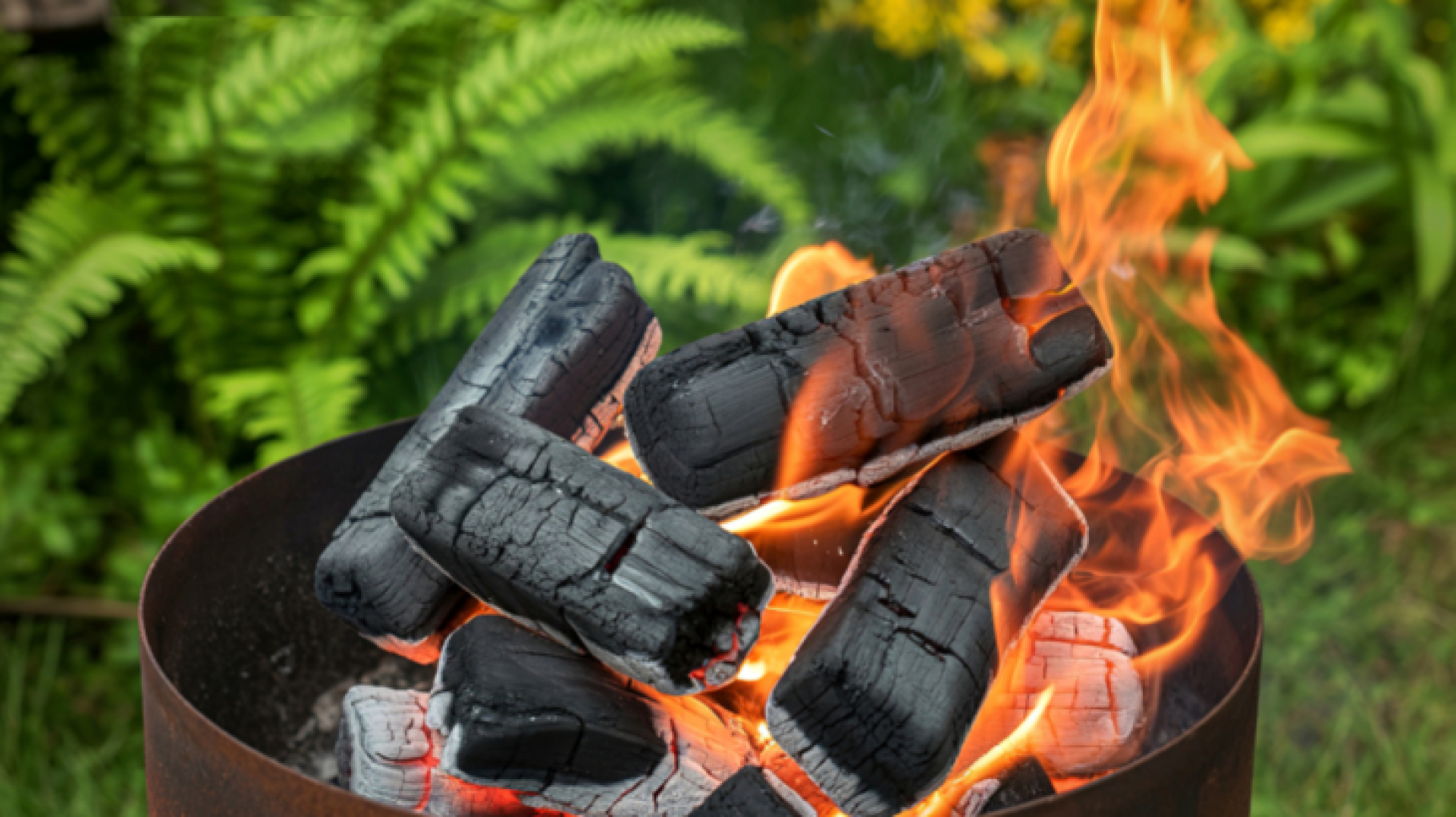
Tamarind wood charcoal and coffee wood charcoal are two distinct hardwood materials with complementary thermal properties. Tamarind wood consists of dense carbon fibers with intense heat retention, while coffee wood is composed of medium-density strands that offer a steady and reliable burn rate.
The ability of tamarind wood to generate high heat without sparking makes it suitable for precision grilling and industrial smelting. Its internal wood structure allows it to remain intact even under extreme thermal stress, maintaining its shape and efficiency throughout the carbonization and combustion process.
Coffee wood charcoal, on the other hand, is valued for its quick ignition and consistent energy output. It performs well in commercial kitchens where temperature control and rapid heat recovery are essential, providing a clean burn that originates from the high-quality natural wood fibers.
Both materials are sourced from green wood through managed forestry, highlighting the versatility of Indonesian hardwood resources. Their natural wood composition ensures they meet the strict import standards of European and Middle Eastern markets, where product purity and environmental integrity are prioritized.